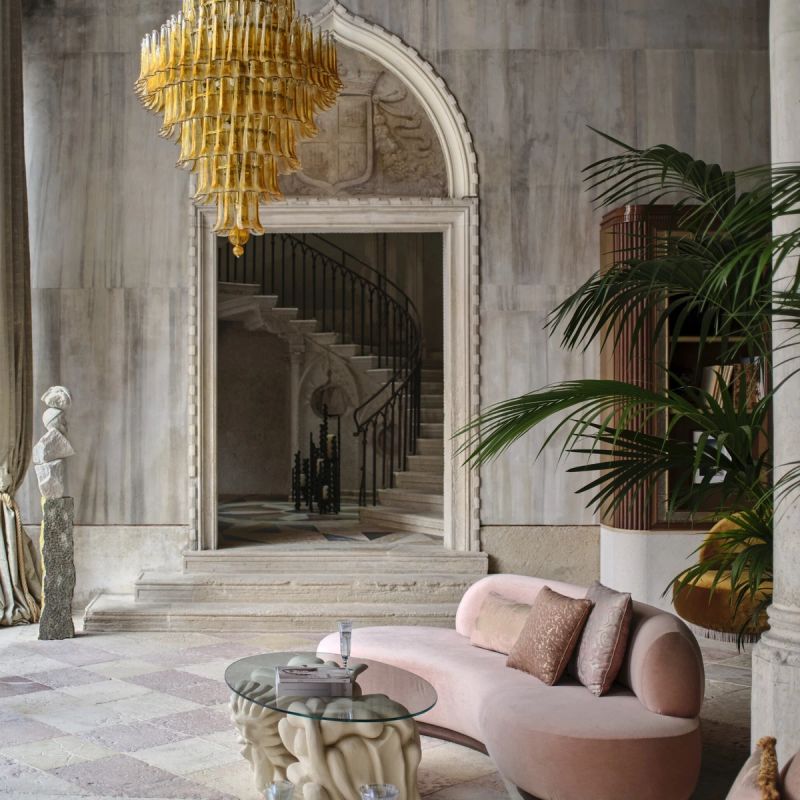
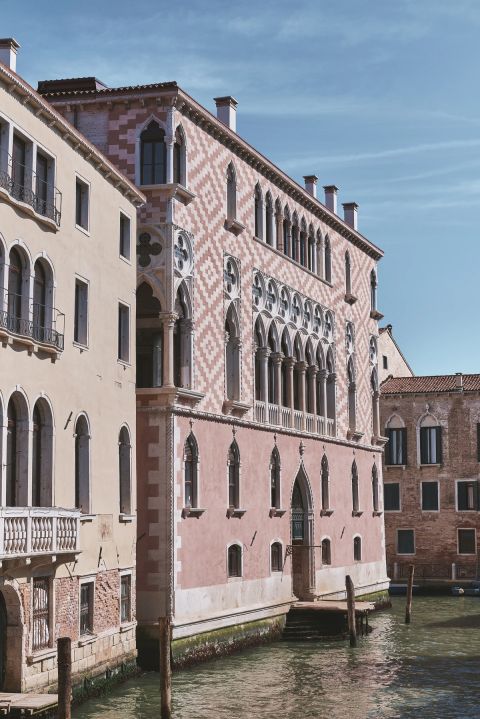
A 15th-century Venetian palazzo, nearly 600 years of history and it had never once been a hotel, until now. Orient Express Venezia 0pened this year, inside Palazzo Donà Giovannelli in Venice’s Cannaregio district, and it’s one of the most significant luxury hospitality launches of 2026. What makes it remarkable isn’t just the address, it’s the approach.
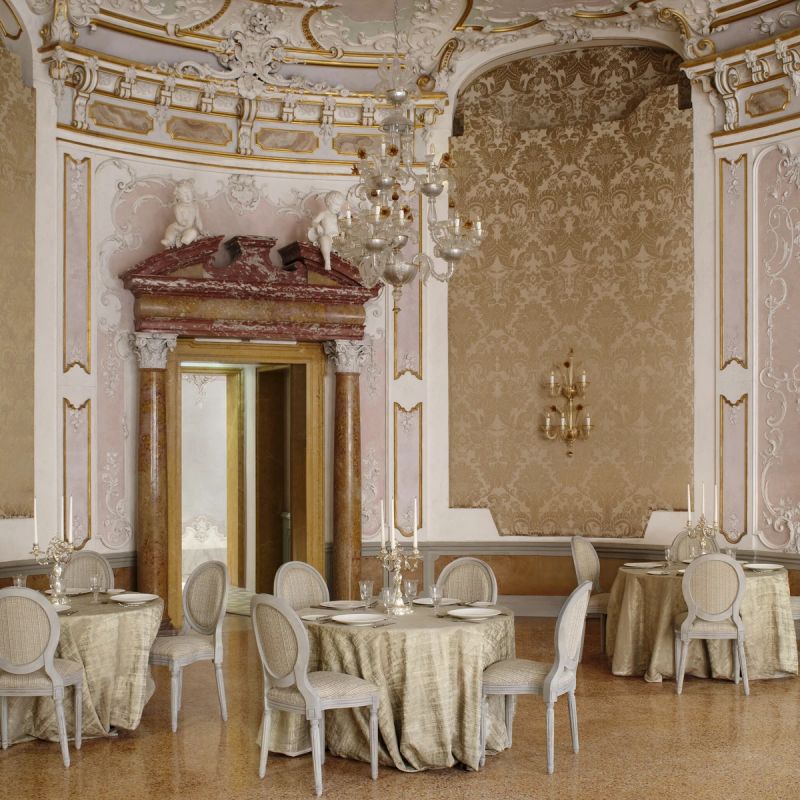
Architect Aline Asmar d’Amman spent eight years transforming the palazzo, not by erasing its past, but by uncovering it. Restored 19th-century frescoes of the goddess Minerva, vaulted ceilings with centuries of painted ornamentation and watered silks that capture the shifting light of the canals outside.
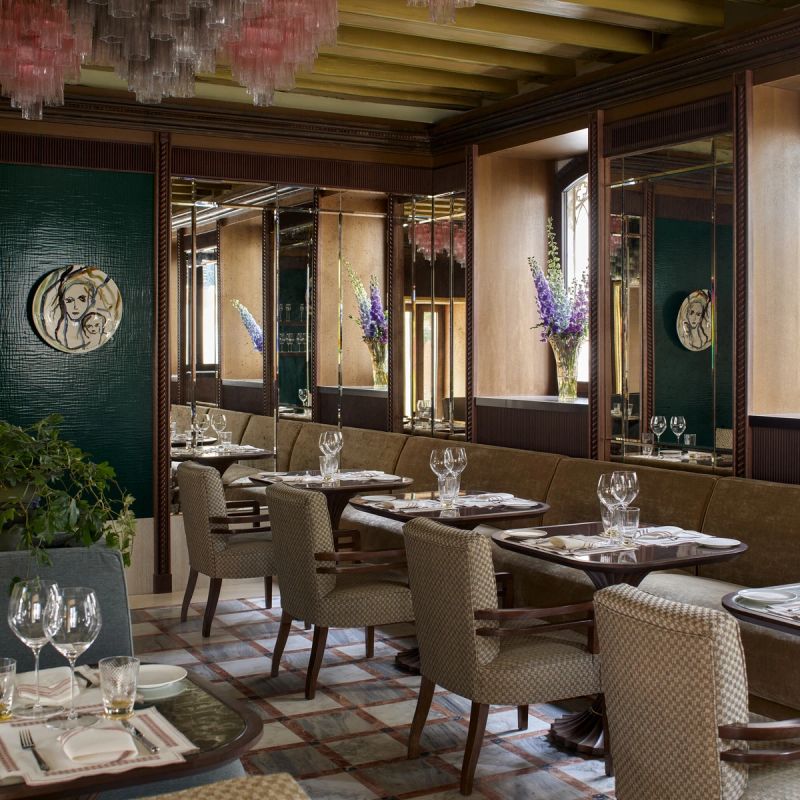
It has 47 rooms and suites, six Signature Suites and dining led by three-Michelin-starred Heinz Beck. A Wagon Bar inspired by the golden age of rail. A spa rooted in Roman thermal traditions and Ottoman hammam rituals.
But the real story here is strategic. This is Orient Express’s second Italian hotel after La Minerva in Rome. Combined with the La Dolce Vita train, it signals a brand building an entire ecosystem of luxury travel, rail, hotels, and soon yachts, all anchored in heritage destinations. In a market crowded with luxury conversions, Orient Express Venezia stands apart by treating history not as décor but as the product itself.

